

Bore Range
60 mm to 350 mm+
Service Deployment
In-Situ / Onboard & Workshop

Precision Standards
OEM Roughness & Ovality Met
The Liner and Why Its Surface Matters
Diesel engine cylinder liners are typically centrifugally cast from alloyed cast iron with a lamellar graphite structure. The liner guides the piston and rings as combustion energy is converted into motion, so its running surface must meet strict tribological requirements: low friction against the piston rings to limit internal engine losses, and enough oil retention to avoid mixed or solid friction, which can lead to piston seizure or jamming.
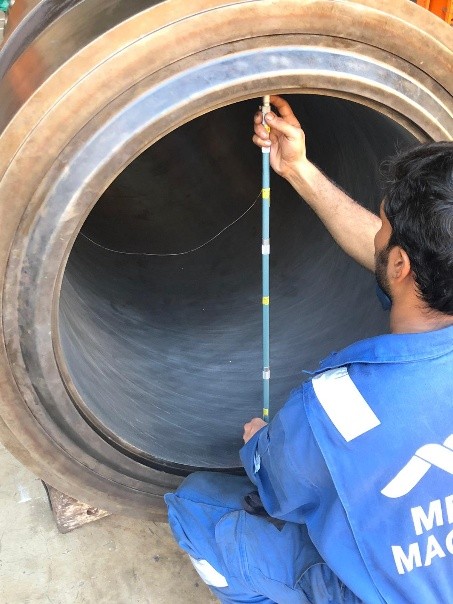
As part of our comprehensive cylinder liner restoration process, we clean the liner and conduct crack detection tests, ensuring the liner is honed back to the required cylindricity.
Why Deglaze or Hone Your Liner?
In service, the running surface wears and glazes. Left untreated, it affects both engine performance and operating cost.
Problems Left Untreated
- Wear edge near top dead centre
- Scoring and scuffing marks
- Ovality and taper
- Glazed surface that cannot hold oil
- High cylinder oil consumption and blow-by
- Ring wear, scuffing, piston seizure
What Reconditioning Gives You
- Liner back within the maker’s limits
- Controlled cross-hatch finish for oil retention
- Better seating of new piston rings
- Saves cost and lead time of a new liner
- Before-and-after measurements on record
Two Options We Offer
Deglazing, honing, or both. We recommend the right one after our measurements and inspection
OPTION 1
Deglazing
- •Light pass with fine stones
- •Breaks the glaze, refreshes the cross-hatch
- •Minimal material removal, bore size practically unchanged
- •For liners still within wear limits, e.g. when fitting new rings
OPTION 2
Honing
- •Coarse stones first, then fine stones
- •Removes wear edge, scoring and scuffing
- •Corrects ovality and taper
- •Restores bore size and roughness to the maker’s specification
- •For worn or damaged liners, within the maker’s limits
| DEGLAZING | HONING | |
| Purpose | Restore oil retention | Restore geometry and finish |
| Material removal | Minimal | As needed to reach specification |
| Fixes wear edge, scoring, ovality | No | Yes, within limits |
| Bore size | Negligible change | May increase; remaining wall and ring size checked |
Why liner top Surface grinding matters
Honing restores the bore, but the top surface of the liner is what seals against the cylinder head. A reconditioned bore is only as good as the surface it seats and seals on, so we strongly recommend checking the top surface on every job.
Why it is important
- •Seals combustion pressure between liner and cylinder head
- •Keeps the liner seated evenly in the engine frame
- •Uneven or damaged surface causes gas leakage, blow-by and local overheating
- •Uneven clamping can distort the liner bore and undo the honing result
What grinding gives you
- •Flat, smooth and true sealing surface
- •Even load from the cylinder head
- •Reliable gas and water sealing
- •Correct seating of the reconditioned liner
- •Longer service life of liner and piston rings.
What we look for
- •Corrosion, pitting and fretting marks
- •Wear, indentations and burn marks
- •Flatness of the top sealing surface
- •Squareness to the bore
- •Condition of the sealing surface between liner and engine frame.
Equipment we use
Advanced honing, grinding and measuring equipment, matched to the size of your liner.
Delapenia Auto Stroker
- •Bore: 60 to 350 mm
- •Stroke length: 800 mm
- •Auxiliary and smaller liners
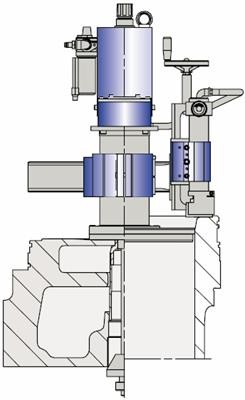
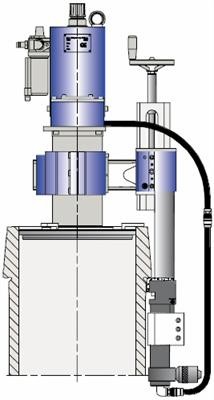
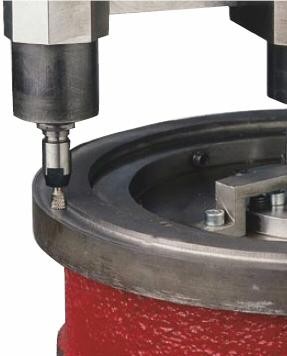
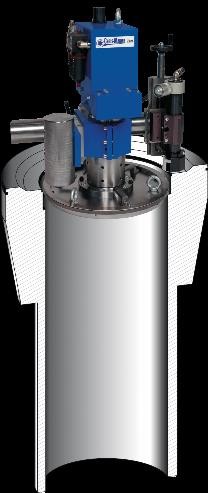
Chris-Marine surface grinding machine
- •Sealing surface, cylinder head to liner
- •Sealing surface, liner to engine frame
- •Medium bore diesel engines
- •Used in our workshop and onboard
Chris-Marine surface grinding machine
- •Sealing surface, cylinder head to liner
- •Sealing surface, liner to engine frame
- •Medium bore diesel engines
- •Used in our workshop and onboard
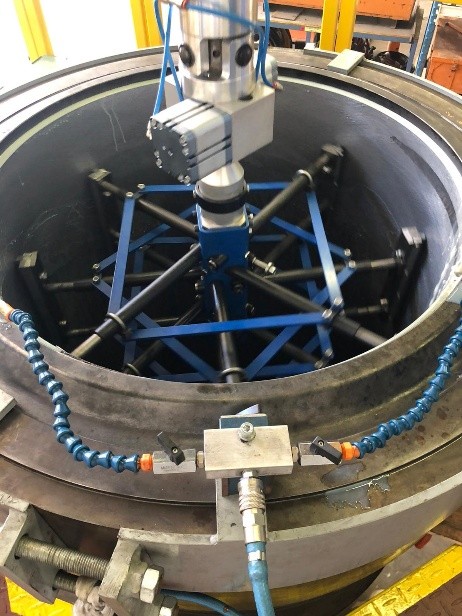
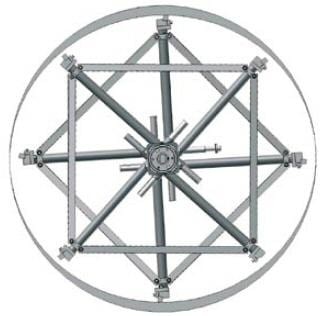
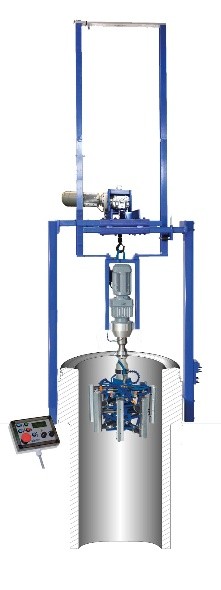
Chris-Marine HON X2
- •Bore: 500 to 1,000 mm
- •Stroke length: 4,000 mm
- •Larger and main engine liners
- •Electrically driven, automatic
- •Programmable stroke and cross-hatch angle
- •Adjustable stone pressure and speed
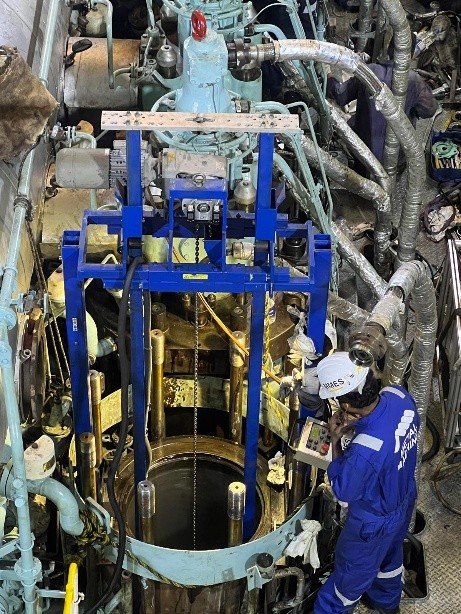
- •Used for onboard and in-situ work
Who carries out the work
Certified technicians
- •Dye penetrant testing by certified technicians
- •Experienced in honing, grinding and metrology
Certified gears, calibrated tools
- •Lifting gears certified yearly
- •Measuring instruments calibrated yearly
- •Lifting with suitable belts at designated points
Trained riggers
- •Liner handling by trained riggers
- •Supervised by our lifting supervisor, who has completed the Singapore WSH Lifting Supervisor Course
bizSAFE Level 4
- •Certified for workplace safety and health management
- •Valid until 12 August 2029
- •PPE worn throughout; chemicals handled per safety data sheets
Where we can carry it out
Workshop or on-board. Deglazing and honing are available at both.
In our workshop
|
On board your vessel
|
*Indicative only; actual time depends on liner size, wear and the maker’s requirements.For onboard and in-situ solutions, feel free to reach out to us to discuss how we can assist with your specific requirements
Cost Benefits of honing onboard
Lower direct cost
- •No liner withdrawal and refitting
- •No crane and rigging for liner removal
- •
- •
- •No packing, transport or shipping to and from the workshop
- •No replacement liner needed while the liner is within limits
Less vessel downtime
- •Work carried out during port stay or alongside other maintenance
- •No waiting for workshop turnaround
- •Unit-by-unit scheduling to suit your plan•
- •Engine back in service sooner
Lower risk
- •No handling or transport damage to the liner
- •Fewer seals and O-rings disturbed as the liner stays seated
- •
- •
- •Same measurements and report as in the workshop
How we carry out the process
Workshop process
Onboard process
Photo Gallery
Come Talk To Us!
Let us know how we can help you. Send us the engine model, liner marking number, bore size and a few photos, with your preference for workshop or onboard service, and for deglazing and/or honing.
